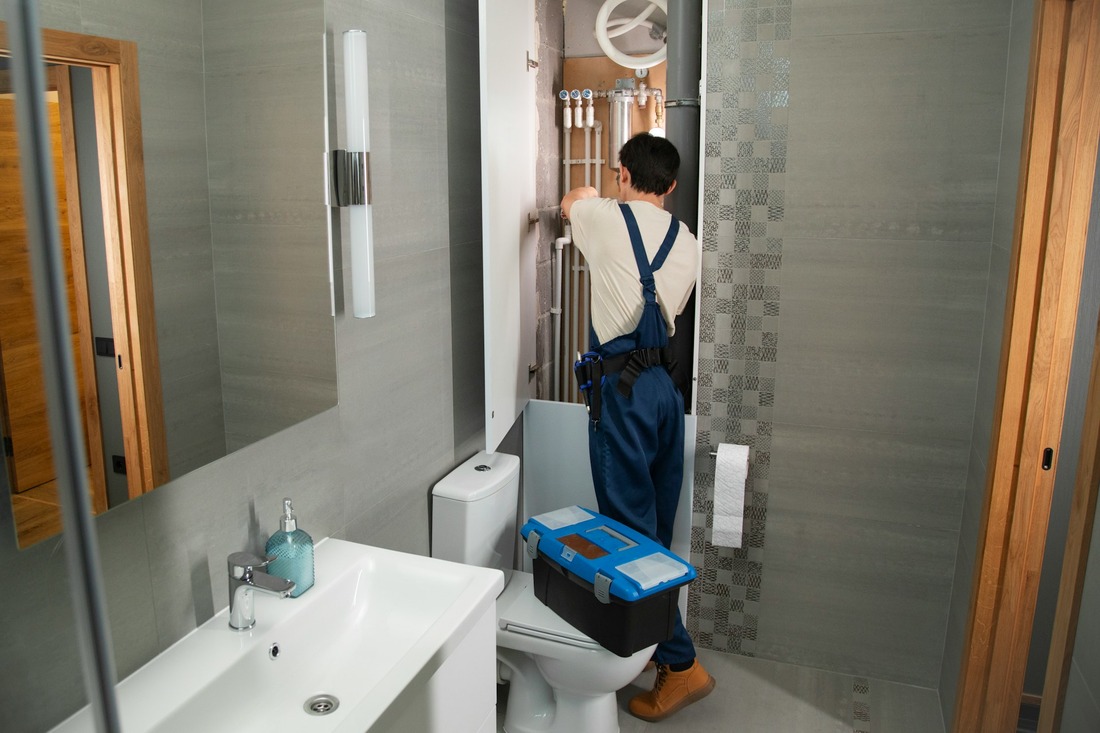
A Homeowner’s Guide to a Professional Plumbing Visit
Calling a plumber isn’t something most homeowners look forward to. Whether it’s a leaking pipe, a broken water heater, or a mystery smell coming from the drain, plumbing issues tend to arrive at the worst possible time. Add concerns about cost, mess, and disruption, and it’s easy to feel stressed before the plumber even shows up.
The good news? A professional plumbing service visit should be straightforward, transparent, and far less intimidating than many people expect. Knowing what happens at each stage can take the pressure off and help you feel confident from start to finish.
Here’s a step-by-step look at what you can expect during a professional plumbing service visit.
Scheduling the Appointment
It all starts with setting up the appointment. When you contact a professional plumbing company, whether for routine service or Emergency Plumbing you’ll usually be asked a few basic questions about the issue you’re experiencing. This might include when the problem started, what symptoms you’ve noticed, and how urgent the situation is.
Providing clear details upfront helps the plumber arrive prepared with the right tools and parts. Once scheduled, you’ll typically receive a confirmation along with an estimated arrival window, so you’re not stuck waiting around all day.
Arrival and Initial Assessment
When the plumber arrives, the visit usually begins with a brief conversation. A professional plumber won’t rush straight into repairs without understanding the situation first. They’ll ask questions about the problem, inspect the affected area, and look for any visible signs of damage or wear.
This initial assessment is critical. It allows the plumber to confirm the root cause of the issue rather than just treating symptoms. In many cases, this step alone can prevent recurring problems down the line.
Clear Explanation of the Problem
One of the biggest differences between a professional plumber and a questionable one is communication. After diagnosing the issue, a reputable plumber will explain what’s going on in plain, easy-to-understand language.
They’ll let you know what caused the problem, how serious it is, and what could happen if it’s left untreated. If specialized tools are used—such as drain cameras or pressure testing equipment—they’ll explain what those tools revealed and why they matter.
You should never feel confused or pressured at this stage. A good plumber expects questions and is happy to answer them.
Upfront Pricing and Repair Options
Before any work begins, you should receive a clear explanation of your options and the associated costs. This may include different repair approaches, replacement recommendations, or temporary versus long-term solutions.
Professional plumbers understand that budget matters. They’ll walk you through pricing factors such as labor, parts, and job complexity, and they won’t proceed without your approval. This transparency helps eliminate surprises when the job is done.
Preparing the Work Area
Once you approve the work, the plumber will prepare the area to protect your home. This often includes using shoe covers, laying down drop cloths, and ensuring nearby surfaces are shielded from debris or water.
If necessary, water or gas lines will be shut off safely before repairs begin. These preparation steps may seem small, but they’re a strong sign that the plumber respects your home and takes safety seriously.
The Repair or Installation Process
During the repair or installation, the plumber will focus on doing the job efficiently and correctly. Depending on the issue, this may involve replacing pipes, repairing fixtures, clearing drains, or installing new equipment like a water heater or sump pump.
You may hear some noise or experience temporary water shutdowns, which is completely normal. For most standard plumbing jobs, the plumber will also give you a rough idea of how long the work should take so you’re not left guessing.
Professional plumbers work methodically and avoid cutting corners, even if the repair seems simple.
Testing and Quality Checks
After the work is completed, the plumber won’t just pack up and leave. Testing is a crucial part of any professional service visit. This may include turning the water back on, checking for leaks, verifying pressure levels, and ensuring everything functions exactly as it should.
If the repair involved safety-related systems, such as gas lines or water heaters, extra checks are typically performed to ensure compliance and reliability. This final verification gives you peace of mind that the problem has truly been resolved.
Cleanup and Final Walkthrough
Once testing is complete, the plumber will clean the work area. This includes removing tools, disposing of old parts, and leaving the space in the same—or better—condition than they found it.
Before leaving, they’ll walk you through what was done, show you the repaired or replaced components, and explain how the fix improves your system. This is also a great time to ask any remaining questions or get clarification on maintenance.
Maintenance Tips and Preventive Advice
A professional plumbing visit doesn’t end with the repair. Many plumbers take a few minutes to offer practical advice on how to prevent future issues. This might include tips on drain care, warning signs to watch for, or simple maintenance steps you can handle on your own.
These insights can help extend the life of your plumbing system and reduce the likelihood of emergency calls in the future.
Payment, Documentation, and Follow-Up
At the end of the visit, payment is typically handled clearly and professionally. You’ll receive a receipt and, when applicable, documentation related to warranties or service guarantees.
Some plumbing companies also follow up after the visit to ensure everything is working properly and that you’re satisfied with the service. This extra step reflects a commitment to long-term customer care rather than one-time fixes.
Final Thoughts
A professional plumbing service visit shouldn’t feel stressful or unpredictable. From the initial assessment to the final cleanup, the goal is to provide clear communication, quality workmanship, and peace of mind.
When you know what to expect, it’s easier to trust the process and feel confident calling a professional when plumbing problems arise. The right plumber doesn’t just fix pipes—they make the entire experience easier for homeowners.